


How Matific and UNICEF's Global Learning Innovation Hub are supporting maths learning with the potential to reach millions of students
From proving what’s possible in Egypt and Ghana to accelerating impact in Honduras and Ukraine
Matific's work with UNICEF's Global Learning Innovation Hub has entered a new stage - progressing from model for scale implementations to acceleration
Following initial pilot implementations in Egypt and Ghana, we are now accelerating our impact across Honduras and Ukraine, with the potential to reach millions of students.
The collaboration with UNICEF's Global Learning Innovation Hub is building practical knowledge about how personalized, curriculum-aligned mathematics learning can be introduced in different education systems. The work goes beyond providing access to technology. It brings together local curriculum alignment, teacher training, implementation support, evidence generation and adaptation to the realities of each country.
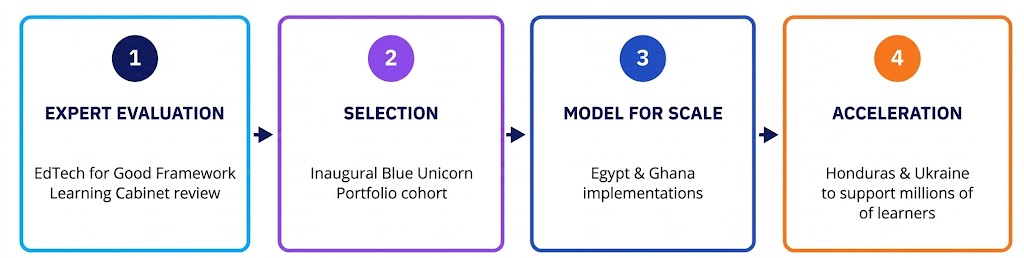
Matific's pathway through UNICEF's Blue Unicorn Portfolio
From expert evaluation to implementation
Matific was selected for the inaugural cohort of UNICEF's Blue Unicorn Portfolio, an initiative of UNICEF's Global Learning Innovation Hub - with key support from the Finland Ministry for Foreign Affairs - designed to identify, support and accelerate evidence-based education technology with the potential to improve learning at scale.
Matific was matched with Egypt and Ghana, where it was introduced as a numeracy solution through the portfolio's Model for Scale phase. The implementations were developed in collaboration with UNICEF country offices, education authorities and local stakeholders under the umbrella of UNICEF’s Learning Pioneers Programme. Each of the implementations were coupled with an evidence generation component to better understand the viability, feasibility and effect of the Matific tool in these contexts.
Before entering the portfolio, Matific was assessed through the Learning Cabinet using UNICEF's EdTech for Good Framework, providing an evidence-based way to assess whether digital and AI-enabled tools are transparent, safe, educationally sound, contextually appropriate and accessible.
Matific is featured in the Learning Cabinet with a Strong evidence-of-impact rating, reflecting evidence from multiple contexts or longitudinal studies.
This progression moves the relationship beyond recognition alone, combining expert review with implementation in public education systems, evidence generation and a structured pathway towards scale.
Ghana: strengthening foundational numeracy
In Ghana, the Model for Scale programme focused on foundational numeracy for Grade 2 learners across 7 public primary schools.

A total of 353 students participated, completing more than 2,059 hours of learning on Matific. Active student participation reached a peak of 94% during the programme.
The average student began the programme without mastery of approximately 40% of the prerequisite Grade 1 skills assessed. By the end of the implementation, Matific’s platform data showed that 90% of those identified gaps had been closed.
Prerequisite skill gaps closed during implementation

Source: Matific platform data, Model for Scale implementations
Teachers reported that students became more active, focused and engaged in their mathematics learning. The programme also reinforced the importance of combining technology with teacher-led instruction, classroom management and locally appropriate pedagogical practices.
“For the past 6 months, we have collaborated with Matific as one of the EdTech tools under the Learning Pioneers Programme... One of the things that we like about Matific is the fact that we are able to use the pedagogical model of the schools. Teachers who were trained have also shown evidence that they can use some of the skills beyond the numeracy skills in terms of collaboration and managing their classrooms better.”
— Eric Balangtaa, UNICEF Ghana Office
The Ghana experience demonstrated how curriculum-aligned technology, engaged teachers and sustained implementation support can work together to create a stronger learning environment
Egypt: supporting personalised learning in public schools
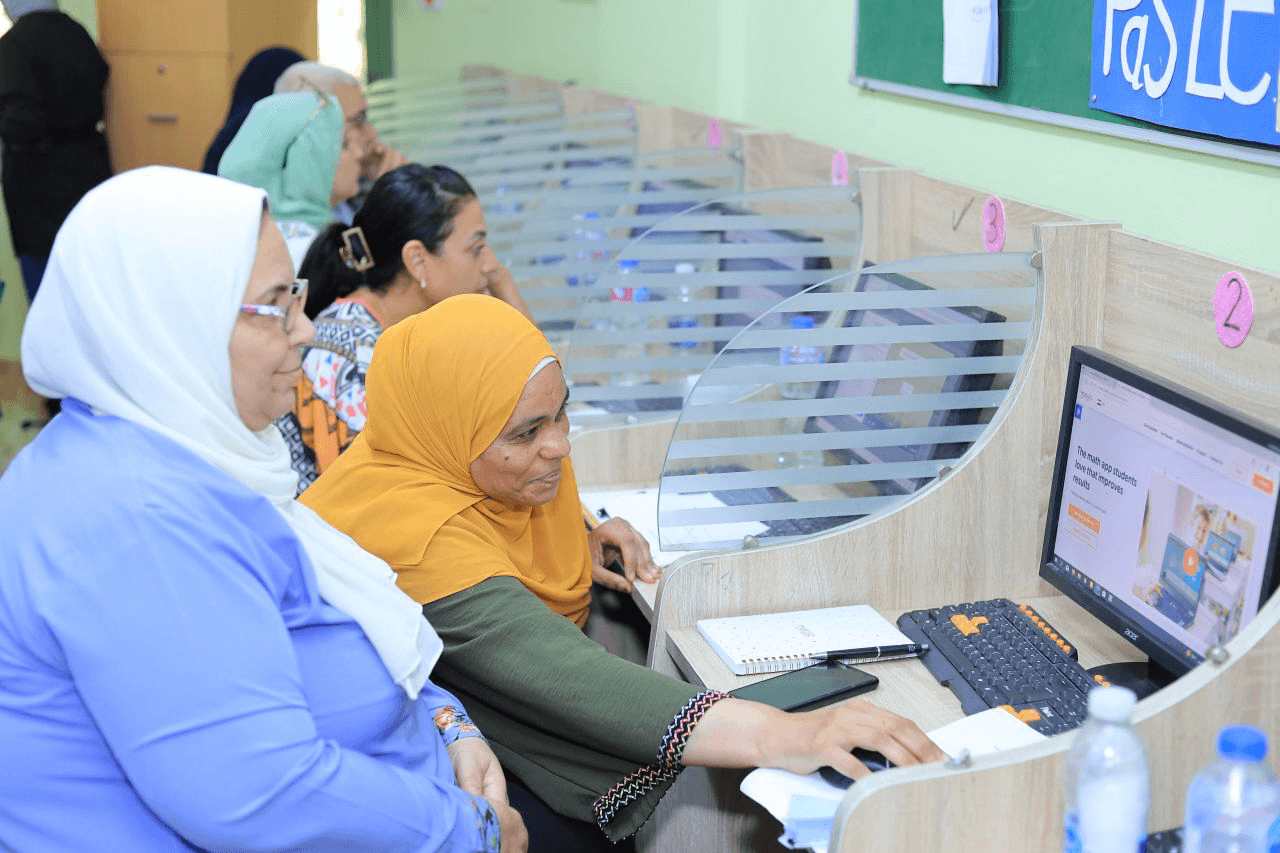
In Egypt, the 12-week implementation was delivered in Aswan and aligned with the country's EDU 2.0 education reforms.

The programme reached 782 Grade 7 students across 11 schools with students recording an average of more than 12 hours of learning across the 12 weeks. Significantly, 76.8% of activities were initiated by students themselves, indicating strong levels of independent participation.
Early Matific platform data showed that students entered the programme with substantial gaps in prerequisite mathematics skills. By the end of the implementation, platform data showed that students had closed an average of 35% of the prerequisite gaps identified by the platform and achieved growth equivalent to 70% of a full academic year.
Prerequisite skill gaps closed during implementation

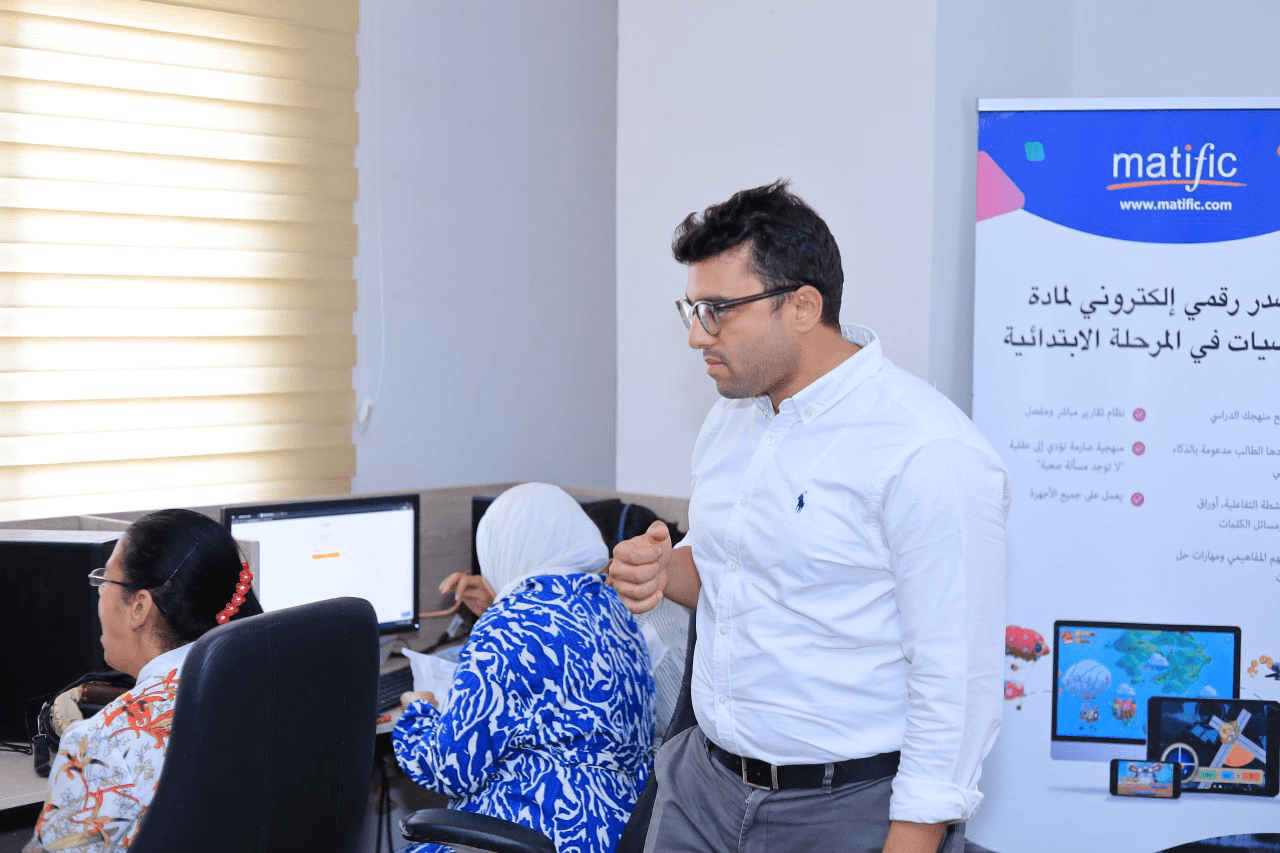
The programme also demonstrated how adaptive mathematics learning could be delivered in Arabic and integrated into existing classroom practices. Teachers reported stronger student focus and participation, including among learners who had previously been less engaged.
 |
 |
Initial challenges involving devices, connectivity and technical support also produced valuable implementation lessons. These experiences are helping inform how future programmes can provide stronger onboarding, infrastructure planning and teacher support from the outset.
Honduras: moving into acceleration
Honduras represents the next stage of Matific's work with UNICEF.
In March 2026, UNICEF Honduras announced that Matific would be introduced as an interactive mathematics solution benefiting 10,000 students through personalised and game-based learning.
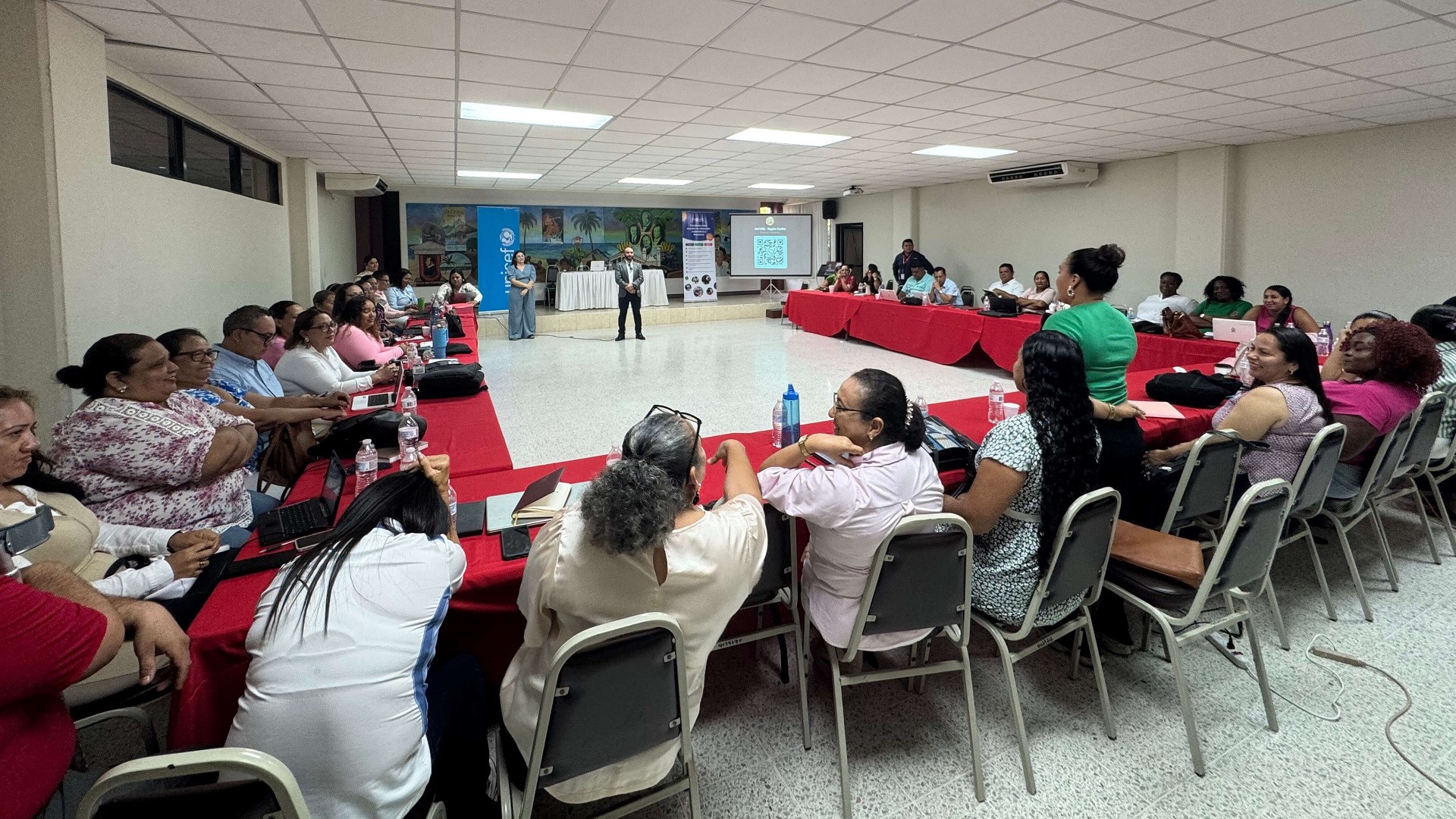
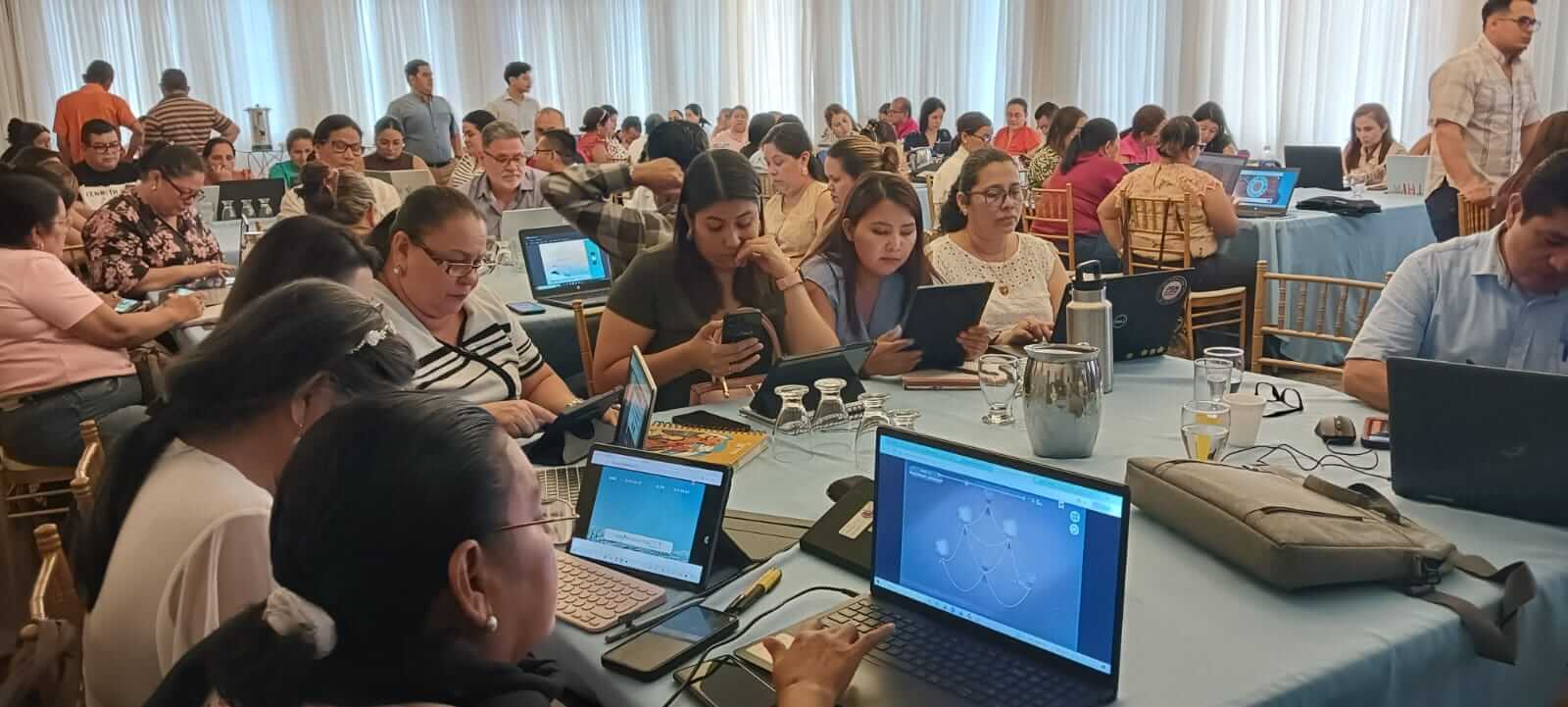
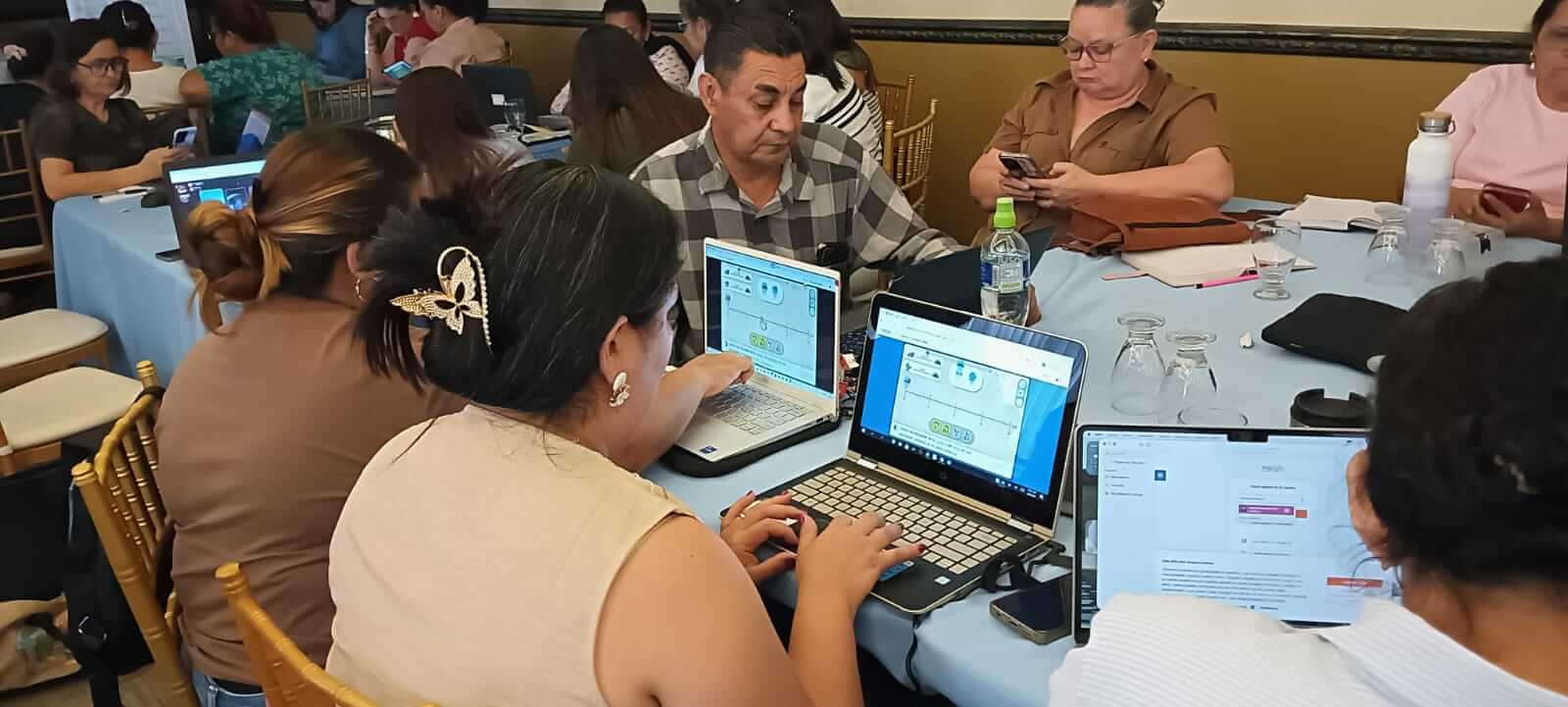
The programme has used a train-the-trainer approach, preparing education leaders from the Central Eastern, Western, Northern and Caribbean regions to support educators in their respective areas. The training covered 10 of Honduras's 18 departments, creating a model that can be expanded through local capacity rather than relying exclusively on centralised support.
As of July 2026, implementation data show:


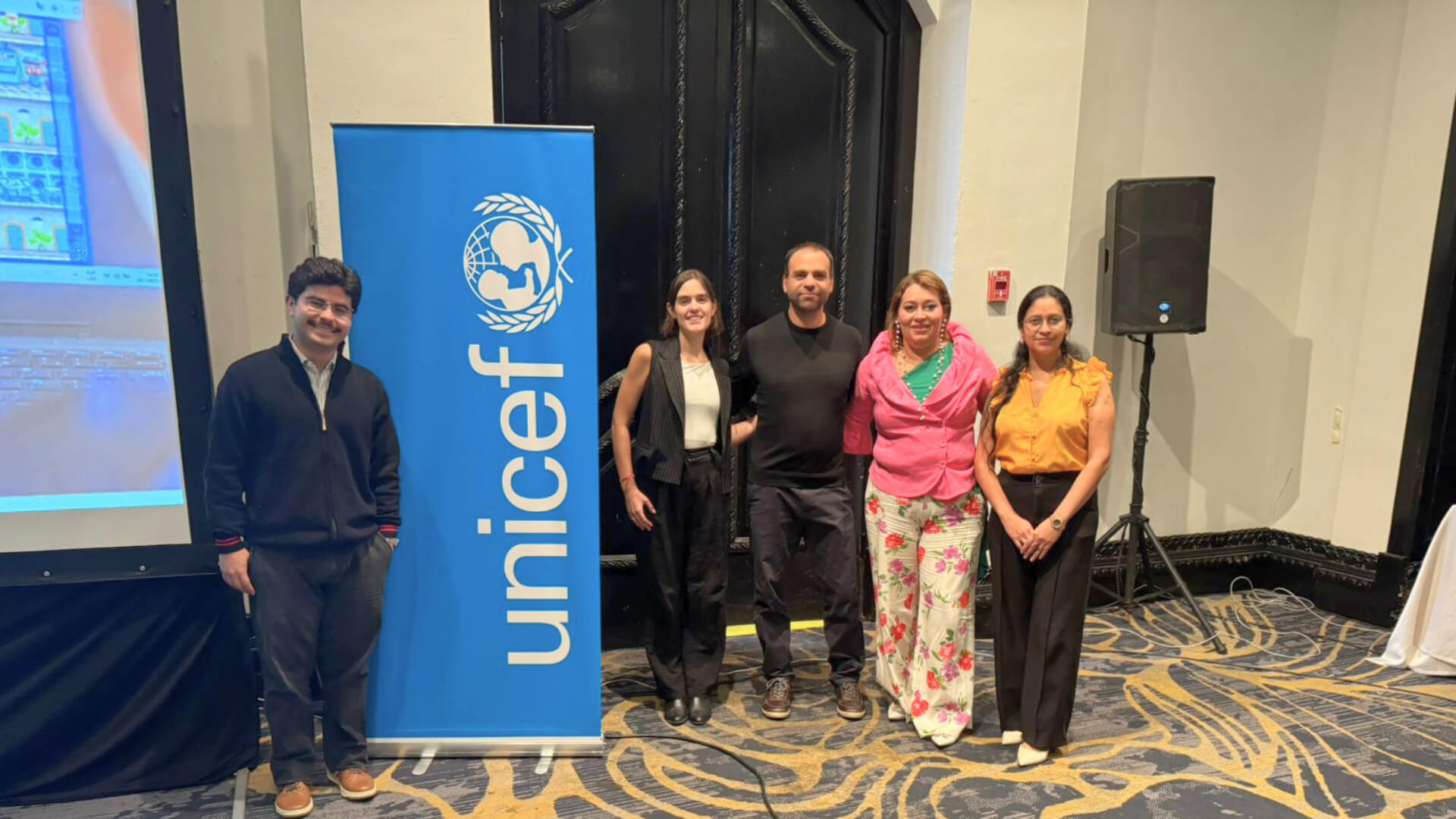
Honduras — Train the trainer from the UNICEF Honduras
 |
 |
 |
 |
The implementation will continue to generate evidence about student participation, teacher adoption and the conditions required to support mathematics learning across a larger and more geographically diverse group of schools.
Ukraine: preparing for the next phase
Work is well underway in Ukraine. Teacher training will commence in late August with students expected to start using Matific in September for the new school year. A pre-pilot phase was conducted in May/June with teachers praising Matific for its ability to help diversify material delivery and boost student engagement leading to positive impacts on learning.
What it takes to scale digital mathematics learning
Egypt, Ghana, Honduras and Ukraine represent different education systems, learner needs and implementation environments. However, several common lessons are already emerging.
In delivering on a new vision to go “Beyond Digital as Usual” in alignment with UNICEF’s Digital Education Strategy, digital learning succeeds when technology is aligned with the local curriculum, introduced with the support of teachers and adapted to the infrastructure available in schools. Connectivity, device access, teacher confidence, local language and implementation support are not secondary considerations. They are central to whether a programme can deliver meaningful and sustainable results.
Together, these four countries illustrate a staged pathway from evaluation to implementation and from early evidence to acceleration.
Matific's work with UNICEF's Global Learning Innovation Hub is helping demonstrate how an evidence-based mathematics platform can be adapted to local realities while building the systems, partnerships and implementation knowledge needed for greater scale.
→ Explore Matific in the Learning Cabinet
→ Learn more about UNICEF's Blue Unicorn Portfolio